

Protect Your Pay and Understand Your Rights.
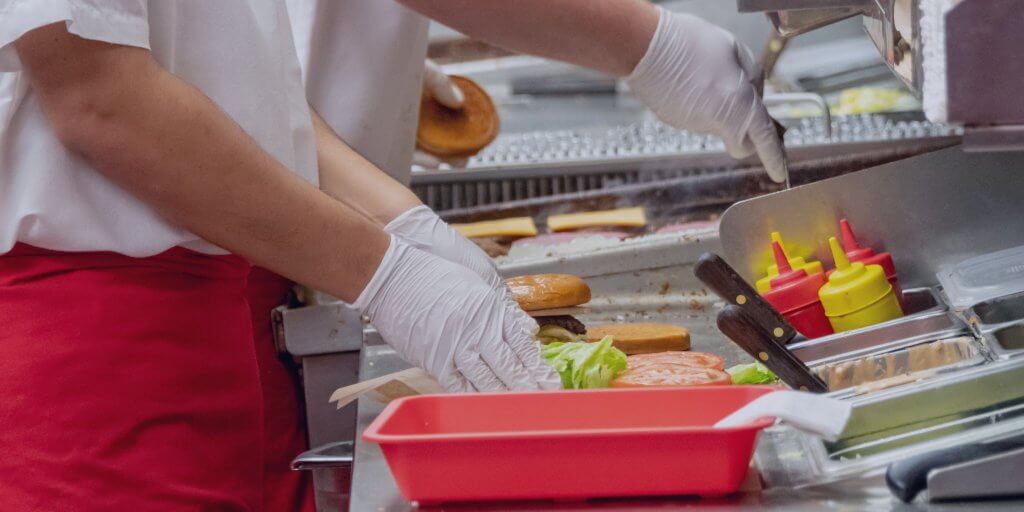
Fast food workers keep California running. Whether you work the grill, the register, the drive-thru, or late-night shifts, you have important workplace protections under California law. Many workers don’t realize they may be entitled to proper wages, breaks, safe working conditions, and protection from retaliation.
Fast food jobs are fast-paced, physically demanding, and often stressful. When employers ignore labor laws, cut corners, or take advantage of workers, you deserve a team that understands what you’re dealing with. Abramson Labor Group represents fast food workers across California in cases involving unpaid wages, retaliation, workplace discrimination, and wrongful termination.
Why Fast Food Workers Trust Abramson Labor Group
Fast food work comes with unique challenges: high heat from kitchen equipment, constant customer flow, unpredictable schedules, and strict time pressures. Unfortunately, many employers take advantage of this environment by shorting hours, interrupting breaks, or punishing workers who speak up. Our firm holds fast-food employers accountable when they violate California labor laws.
We represent:
- Cashiers
- Cooks and kitchen staff
- Drive-thru workers
- Shift leads and assistant managers
- Front-of-house and back-of-house employees
We understand how fast-food jobs operate, and we fight for workers treated unfairly.
Common Violations Reported by Fast Food Workers
Fast food employees frequently contact us about:
Unpaid Overtime and Missing Wages
Working off the clock, not being paid for prep work or closing tasks, or working more than 8 hours without proper overtime pay
Meal and Rest Break Violations
Shifts that are too busy for breaks, shortened breaks, or no breaks at all.
Timekeeping Issues
Clock-in and clock-out manipulation, pressure to work “off the clock,” or being told to wait until a rush starts before clocking in.
Employee Misclassification
Being treated like a manager without manager pay, or being labeled exempt when the job duties don’t qualify.
Unsafe Working Conditions
Burn risks, slippery floors, faulty equipment, or high heat from grills and fryers.
Retaliation for Speaking Up
Getting fewer hours, being written up, or being fired after reporting safety or wage concerns.
Workplace Discrimination and Harassment
Mistreatment based on race, age, gender, disability, pregnancy, or immigration status.
If any of these situations sound familiar, learning your rights is the first step.
Heat Risks in Fast Food Restaurants
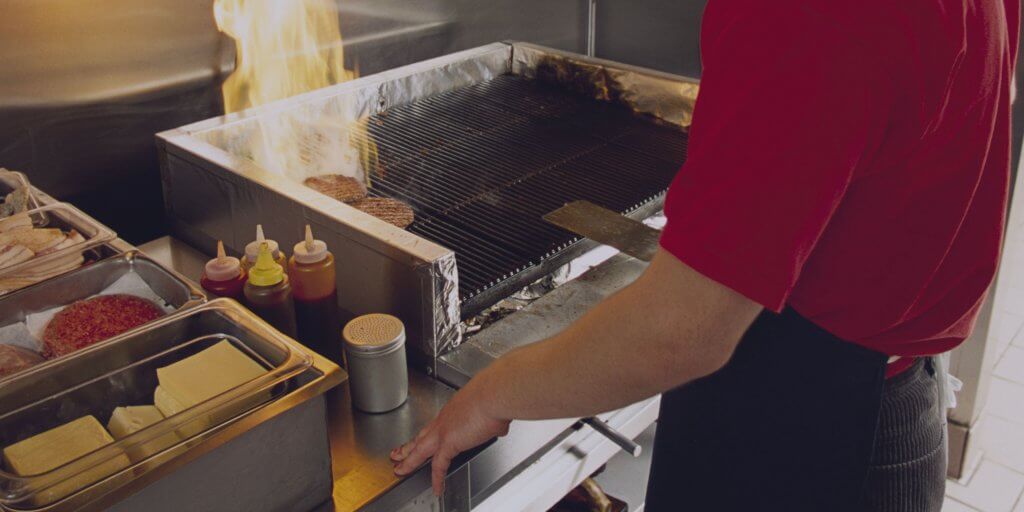
Fast food workers often face extreme heat from grills, fryers, ovens, and poor ventilation, especially in older buildings. Even indoor kitchens can reach dangerously high temperatures during busy shifts.
Heat-related risks are higher when:
- Kitchen equipment runs nonstop
- Ventilation is inadequate
- Breaks are interrupted or discouraged
- Workers feel pressured to push through symptoms
- Protective gear (like gloves or headgear) traps heat
- Workstations are too close to heat sources
Because of these conditions, heat illness can be a real danger in the fast-food industry.

What Employers Must Do to Keep Workers Safe
California requires employers to take steps to protect fast food workers from heat and unsafe conditions.
This includes:
- Providing cool drinking water throughout the shift
- Keeping equipment in safe working order
- Maintaining ventilation and temperature controls where possible
- Allowing meal and rest breaks away from heat sources
- Responding promptly when a worker reports feeling overheated
- Providing training on recognizing heat illness symptoms
Fast-paced kitchens should not force workers to sacrifice health and safety to keep the line moving.
Your Right to Request Workers’ Compensation
If you experienced a heat-related illness, burns, slip-and-fall injuries, repetitive strain injuries, or any workplace injury while working in fast food, you may have the right to file a workers’ compensation claim. California generally covers injuries that arise out of and during employment, including injuries that happen during busy rush hours or while performing required tasks.
Workers’ compensation may cover medical treatment and wage replacement depending on the situation.

How California Law Protects Fast Food Workers
Fast food workers in California have strong legal protections, including:
- Payment for all hours worked, including overtime
- Mandatory meal and rest breaks
- Protection from retaliation when raising workplace concerns
- A safe working environment under OSHA and Labor Code standards
- Protection from discrimination based on race, age, gender, disability, or immigration status
How We Help Fast Food Workers
- We listen carefully to what happened at your workplace
- We explain your options clearly during a free, confidential review
- We take action on your behalf
- You only pay if we win your case
- We don’t just take cases. We stand up for workers.
How the Process Works
- Free Case Evaluation – Tell us what happened
- We Investigate – Review pay records, contracts, and employer conduct
- We Take Action – Negotiation or litigation on your behalf
- You Focus on Work & Recovery – We handle the legal fight
Frequently Asked Questions for Fast Food Workers
Fast food workers are protected by state and federal labor laws. These may include rights to proper wages, breaks, safe working conditions, and protection from retaliation. Specific rights depend on the worker’s situation.
California requires meal breaks depending on shift length. The Labor Commissioner explains when these breaks apply.
Overtime may apply once a worker goes over certain daily or weekly hour limits. Details depend on shift length, classification, and job duties.
Workers must be paid for all hours worked, including prep, cleaning, and after-hours tasks. Being paid in cash or “off the clock” does not eliminate wage protections.
Workers should report the injury, seek medical attention, document what happened, and request a workers’ compensation claim form. Acting quickly is important because deadlines may apply.
California prohibits retaliation for reporting wage concerns, safety issues, or discrimination. Situations vary, but retaliation is generally unlawful.
Free Intake Evaluation – No Fees Unless We Win
The information provided on this website is for general informational purposes only and does not constitute legal advice. Viewing this website or contacting Abramson Labor Group through this site does not create an attorney-client relationship. Every legal matter is unique, and the information provided here may not apply to your specific situation. You should not act or rely on any information on this website without seeking professional legal advice regarding your particular circumstances.