

Know Your Rights. Protect Your Health.

You build California. We protect your rights. If you work in construction in California, you have legal protections under state and federal law. Many workers don’t realize they may be entitled to overtime pay, workers’ compensation benefits, or protection from retaliation.
Construction workers face some of the most dangerous and demanding jobs in the state. When employers cut corners, ignore safety, or refuse to pay what you earned, you need an employment law team that will stand up for you. Abramson Labor Group represents construction workers across California in cases involving unpaid wages, retaliation, discrimination, and wrongful termination.
“Call us for a Free Case Review. We Only Get Paid If You Win”
Why Construction Workers Trust Abramson Labor Group
Construction jobs are physically demanding, high-risk, and often governed by complex labor laws. Unfortunately, many employers cut corners at workers’ expense. Our firm is dedicated to holding construction employers accountable when they violate California labor laws.
We represent:
- Union and non-union construction workers
- Day laborers and skilled tradespeople
- Foremen, supervisors, and apprentices
We understand the realities of construction sites and we know how to fight back when employers break the law.
Common Construction Workplace Violations
Construction workers frequently contact us about:
- Unpaid Overtime & Wage Theft
Failure to pay overtime, prevailing wages, or minimum wage - Meal & Rest Break Violations
Missed or interrupted breaks due to job demands - Employee Misclassification
Being labeled an independent contractor (1099) instead of an employee (W-2) - Workplace Discrimination & Harassment
Discrimination based on race, age, gender, disability, or immigration status - Retaliation for Speaking Up
Being fired, demoted, or threatened for reporting unsafe conditions or wage violations - Wrongful Termination
Being terminated for asserting your legal rights
If any of these sounds familiar, we can help you understand your rights.
Why Construction Workers Face Higher Heat Illness Risks in California

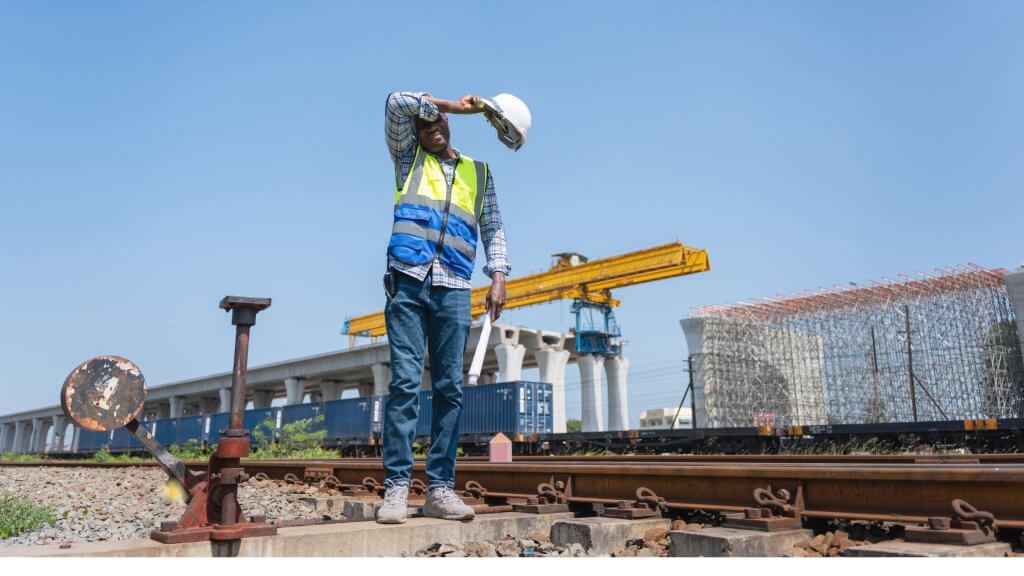
Construction workers are among the most exposed to dangerous heat conditions, especially in California where summer temperatures can become extreme. Unlike many indoor professions, construction work is typically performed outdoors, often in direct sunlight for extended periods of time.
Several factors make heat-related illness more likely on construction sites:
Protective Equipment Can Trap Heat
Safety gear like hard hats, steel-toe boots, gloves, and high-visibility vests are essential for preventing physical injuries. However, this equipment can also reduce airflow and trap body heat, making it harder to cool down.
Intense Physical Activity
Tasks such as lifting heavy materials, digging trenches, carrying equipment, climbing scaffolding, and operating machinery significantly increase core body temperature. The combination of physical exertion and high ambient heat creates additional strain on the body.
Inadequate Access to Water or Shade
Some job sites — especially temporary, roadside, or remote locations — may lack consistent access to shaded rest areas or sufficient drinking water. Without proper cooling breaks, the risk of dehydration and heat exhaustion increases quickly.
Workplace Pressure and Deadlines
Construction schedules are often tight. Workers may feel reluctant to pause for rest due to production demands, fear of being viewed as unproductive, or concerns about retaliation. In some cases, cultural norms within crews may discourage frequent breaks.
Because of these conditions, heat illness is a serious and well-recognized safety issue in the construction industry.
Employer Responsibilities Under California Heat Safety Laws
California has specific heat illness prevention rules for employers with outdoor workers, including construction companies. Under state safety regulations, employers must take proactive steps to protect workers from heat-related illness.
At a minimum, construction employers are required to:
Provide Adequate Drinking Water
Employers must supply enough cool, clean drinking water so that each worker can consume up to one quart per hour. Access to water must be readily available throughout the shift, and workers should be encouraged to hydrate frequently — not just when they feel thirsty.
Ensure Access to Shade
When temperatures reach 80°F or higher, shaded rest areas must be available. The shade should be positioned as close as reasonably possible to the active work area so employees can take recovery breaks without walking long distances.
Allow Preventative Cool-Down Breaks
Workers have the right to take cool-down rest periods when they begin to feel overheated. During these breaks, employers must observe workers for signs of heat illness and respond appropriately if symptoms appear.
Conduct Proper Training
Both employees and supervisors must receive training on heat illness prevention. This includes recognizing early warning signs (such as dizziness, nausea, or confusion), understanding emergency response procedures, and knowing that workers have the right to seek medical care and take necessary breaks without punishment.
Your Right to Seek Workers’ Compensation Benefits
If you experienced heat exhaustion, heatstroke, dehydration, or another heat-related medical condition while working construction in California, you may have the right to file a workers’ compensation claim.
Under California law, injuries and illnesses that occur because of your job, meaning they arise out of and during the course of your employment, are generally covered. This includes medical conditions caused by prolonged heat exposure on a construction site.
Heat-related illnesses are not considered “personal problems.” If your work conditions contributed to the illness, you may be entitled to benefits such as medical treatment and wage replacement.
How California Law Protects You
California employment laws give construction workers strong protection, including:
- Payment of all hours worked, including daily and weekly overtime
- Required meal and rest breaks
- Protection from retaliation when you report violations
- The right to a safe workplace under OSHA and Labor Code rules
- Protection from discrimination based on age, race, disability, or immigration status
How We Help Construction Workers
- We listen carefully to what happened on your job site
- During our free and confidential assessment we explain your legal options in plain language
- We fight on your behalf
- You only get paid if we win your case
We don’t just take cases. We take a stand for workers.
How the Process Works
- Free Case Evaluation – Tell us what happened
- We Investigate – Review pay records, contracts, and employer conduct
- We Take Action – Negotiation or litigation on your behalf
- You Focus on Work & Recovery – We handle the legal fight
Frequently Asked Questions for Construction Workers
Construction workers in California are protected under state and federal labor laws. These protections may include the right to a safe workplace, overtime pay, meal and rest breaks, workers’ compensation benefits for job-related injuries, and protection from retaliation for reporting violations.
Specific rights depend on the circumstances of each job and employment relationship.
In many situations, yes. If a heat-related illness occurred because of your work conditions, you may be eligible to file a workers’ compensation claim under California law. Covered conditions can include heat exhaustion, heatstroke, and other medically documented heat-related illnesses.
In California, non-exempt employees are generally entitled to overtime pay after:
8 hours in a workday
40 hours in a workweek
12 hours in a single day (double time may apply)
However, some exceptions exist depending on union agreements, job classification, and compensation structure.
Being paid in cash does not automatically eliminate your legal rights. Wage and hour laws may still apply regardless of how you were paid.
You should:
1. Report the injury to your employer as soon as possible.
2. Seek medical attention.
3. Document the incident if you are able.
4. Request a workers’ compensation claim form.
There are time limits that may apply, so acting promptly is important.
California law prohibits retaliation against workers for filing legitimate claims or reporting safety violations. If an employer takes adverse action after a protected activity, it may raise legal concerns.
Free Intake Evaluation – No Fees Unless We Win
The information provided on this website is for general informational purposes only and does not constitute legal advice. Viewing this website or contacting Abramson Labor Group through this site does not create an attorney-client relationship. Every legal matter is unique, and the information provided here may not apply to your specific situation. You should not act or rely on any information on this website without seeking professional legal advice regarding your particular circumstances.