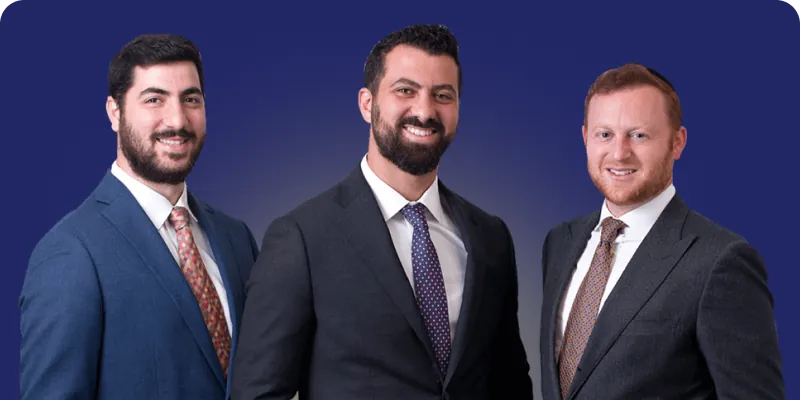
A San Francisco employment lawyer helps workers address wrongful termination, unpaid wages, harassment, discrimination, and retaliation. These disputes may involve California employment law, San Francisco labor ordinances, or both, depending on where the work occurred and what the employer did.

Abramson Labor Group represents San Francisco and Bay Area employees from our Burbank headquarters. We focus exclusively on employee rights, and our intake team provides remote intake assessments in English and Spanish.

You do not need to identify the exact law involved before contacting us. Call (213) 493-6300 or contact our intake team to request a free intake assessment. You pay no fees unless we win.

Why Choose Abramson Labor Group for a San Francisco Employment Case?

Choosing a San Francisco employment lawyer often feels difficult when your employer already has managers, human resources staff, and legal resources protecting the company. At Abramson Labor Group, we represent employees only, so our attention stays on what happened to the worker and how the employer responded.

We have handled claims involving wrongful termination, sexual harassment, pregnancy discrimination, racial discrimination, retaliation, and disability accommodations. Our published results include substantial recoveries, but every case depends on its own facts, and past results do not predict another outcome.

Our team brings the resources of a large employee-side firm without expecting you to arrive with legal terminology or a perfect timeline. Our intake team begins by listening, then explains what information helps us understand the dispute.

We serve San Francisco workers from our Burbank headquarters through remote intake assessments and communication. Call (213) 493-6300 to request a free intake assessment in English or Spanish.

Which San Francisco Workers Do We Represent?

We represent hourly and salaried employees across San Francisco and the broader Bay Area. Our clients work for startups, established technology companies, restaurants, hotels, health care organizations, staffing agencies, contractors, and other local employers.

Workplaces differ across industries, but workers often share the same concerns about losing shifts, damaging a career, or facing retaliation after speaking up. 

What Employment Problems Affect Technology and Office Workers?

Technology and office employees may face discrimination, harassment, unpaid compensation, retaliation, and termination disguised as a routine business decision. Companies often describe these decisions as restructuring, performance issues, or position eliminations even when the timing raises other questions. 

Maybe a performance improvement plan began soon after you requested medical leave. Perhaps your role disappeared after you reported harassment, but another employee soon took over the same responsibilities.

A layoff or poor review does not automatically establish an unlawful employment action. The surrounding facts require closer attention when the employer’s explanation conflicts with earlier reviews, workplace messages, or the treatment of other employees. 

An employment lawyer in San Francisco compares the stated business reason with the events before and after it. That comparison often provides more context than the termination notice alone. 

What Employment Problems Affect Restaurant Workers?

Restaurant employees lose wages when managers require opening, closing, cleaning, or preparation work outside recorded shift times. Servers, cooks, dishwashers, hosts, bussers, and other workers may also face missed breaks, harassment, or retaliation.

A wage violation begins when a manager tells employees to clock out before finishing side work. Retaliation becomes a concern when an employee loses weekend shifts after asking about missing sick leave or unpaid overtime. 

Time records do not always show everything that occurred. Schedules, text messages, closing checklists, and coworker accounts provide additional context about what managers expected.

We represent San Francisco restaurant workers who need clear information about wage theft, discrimination, harassment, retaliation, or wrongful termination.

What Employment Problems Affect Hotel and Hospitality Workers?

Hotel and hospitality employees may face demanding workloads, unpredictable schedules, unpaid work, missed breaks, and harassment. Housekeepers, banquet staff, kitchen employees, maintenance workers, and front-desk teams may experience these problems in different ways.

A housekeeper can lose a rest period while completing room assignments. A banquet worker who remains after a scheduled shift for cleanup must receive pay for that compensable time. 

California law treats supervisor harassment differently from harassment by coworkers or nonemployees. When a guest, vendor, or other nonemployee is involved, responsibility depends on what the employer knew or should have known and whether it took immediate, appropriate corrective action. 

We represent Bay Area hospitality workers who want to understand their rights and available options.

What Employment Problems Affect Health Care Workers?

Health care workers may face missed breaks, unpaid overtime, leave disputes, disability discrimination, pregnancy discrimination, or retaliation after reporting a workplace concern. These issues affect nurses, medical assistants, technicians, caregivers, administrative staff, custodial workers, and food-service employees.

A worker may request a temporary lifting restriction and then see their schedule reduced. Another employee may report missed breaks or a safety concern and suddenly receive discipline that does not match earlier evaluations.

Health care employers often  point to staffing needs or workplace policies when denying a request. Those concerns do not automatically resolve whether the employer complied with wage, leave, accommodation, or retaliation laws.

Workers in other San Francisco industries face many of the same problems. Call (213) 493-6300 or contact us online to tell the intake team what changed at work.

What Employment Claims Do We Handle for San Francisco Workers?

We handle wrongful termination, unpaid wages, harassment, discrimination, and retaliation claims. These issues often overlap when an employer cuts hours, changes assignments, or begins criticizing a worker after a complaint, leave request, or wage concern. 

A worker may first report missing pay and later lose scheduled hours. Another employee may request pregnancy leave and then face sudden criticism from a manager who had previously praised their work.

What Makes a San Francisco Termination Potentially Unlawful?

California generally permits employers to end an at-will employment relationship without proving good cause. An employer still cannot not fire a worker for an unlawful reason, including discrimination, retaliation, protected leave, or a refusal to participate in illegal conduct.

Maybe the company calls the decision part of a reduction in force. That does not mean the termination is automatically lawful when the selection appears connected to age, pregnancy, disability, race, a harassment complaint, or another protected reason.

A San Francisco wrongful termination lawyer compares the employer’s explanation with earlier evaluations, messages, complaints, leave requests, and the treatment of other workers. The legal issue often rests on why the employer acted, not merely on the fact that employment ended.

What Does Workplace Discrimination Look Like in San Francisco?

Workplace discrimination may affect hiring, pay, assignments, promotions, discipline, accommodations, or termination. California law protects workers from discrimination tied to characteristics such as race, national origin, age, disability, sex, pregnancy, and religion.

Discrimination is sometimes obvious, but it often develops through smaller decisions. A pregnant employee may lose important assignments after requesting restrictions, while an older worker may hear repeated age-related comments before being replaced.

Different treatment does not always prove unlawful discrimination. The timing, manager statements, comparison with coworkers, and employer’s stated reasons help show whether a protected characteristic influenced the decision. 

What Conduct Qualifies as Workplace Harassment?

Workplace harassment includes conduct such as sexual comments, unwanted touching, slurs, repeated messages, threats, and other mistreatment connected to a protected characteristic. The behavior may come from a supervisor, coworker, customer, contractor, or another person encountered through work.

A worker does not need to wait for the conduct to become physical before raising a concern. Repeated messages, sexual requests, degrading remarks, or hostile treatment create serious workplace problems.

An employer’s obligations depend on who engaged in the conduct, what the employer knew, and how it responded. Reports to a supervisor, human resources, or another designated person become important when the company later claims it had no notice.

If your treatment changed after you reported harassment or discrimination, call (213) 493-6300 to request a free intake assessment with our intake team.

How Do Wage Theft and Retaliation Affect San Francisco Workers?

Wage theft includes unpaid overtime, off-the-clock work, missed meal or rest periods, improper deductions, unpaid commissions, and pay below the applicable minimum wage. San Francisco workers receive protection from both state law and local ordinances.

The problem often begins with something that seems small. Maybe a manager asks you to finish closing duties after clocking out, or a supervisor removes sick time from your balance without explanation.

Employers create a second violation when they punish workers who question missing pay. Retaliation takes forms such as reduced hours, undesirable assignments, sudden discipline, exclusion from projects, and termination. 

What Records Help Document Missing Wages?

Pay disputes often depend on comparing what the employer recorded with what the worker actually did. A pay stub alone may not show time spent opening a restaurant, responding to messages after hours, or finishing work after clocking out.

Useful records include:

  • Pay stubs showing hours, rates, and deductions
  • Work schedules and timekeeping records
  • Text messages or emails about work outside scheduled hours
  • Commission plans, bonus agreements, or sales reports
  • Personal notes identifying missed breaks or unpaid tasks

Several ordinary records often reveal a pattern that one document cannot show by itself.  Missing paperwork does not necessarily prevent a worker from asking questions about unpaid wages.

We help employees understand how California wage and hour rules may apply alongside San Francisco’s local protections.

What Does Workplace Retaliation Look Like?

Workplace retaliation occurs when an employer takes harmful action because a worker engaged in protected conduct. Protected conduct includes reporting discrimination, opposing harassment, raising wage concerns, requesting an accommodation, and using protected leave. 

A restaurant employee may lose weekend shifts after asking about paid sick leave. A technology worker may receive a sudden performance improvement plan after reporting harassment or requesting pregnancy leave.

Changes that warrant closer attention include:

  • Reduced hours after a wage complaint
  • New discipline that conflicts with earlier reviews
  • Removal from projects or advancement opportunities
  • Threats involving termination or professional reputation
  • Job loss soon after protected activity

Timing alone does not prove retaliation. Manager statements, inconsistent explanations, workplace records, and the treatment of other employees help show why the employer acted.

A San Francisco workers’ rights attorney helps you compare a protected complaint with the schedule, discipline, or other changes that followed. Call (213) 493-6300 to request a free intake assessment. 

Which San Francisco Employment Laws Protect Workers?

San Francisco workers receive protection from both California law and city ordinances. The location of the work, number of hours performed in the city, employer size, and type of job determine which rules apply.

An employer based outside San Francisco still must follow local requirements for employees who work within the city.

Local protectionWorkers coveredPractical workplace issue
San Francisco Minimum Wage OrdinanceEmployees who generally perform at least two hours of work in San Francisco during a weekPay falls below the local minimum wage
Paid Sick Leave OrdinanceCovered full-time, part-time, and temporary employees working in San FranciscoSick leave does not accrue, disappears from a balance, or leads to retaliation
Health Care Security OrdinanceQualifying employees of covered medium and large employersRequired health care expenditures appear missing or incomplete
Minimum Compensation OrdinanceCertain employees of San Francisco contractors and tenantsPay or leave falls below contract-based local requirements

These ordinances contain exemptions and detailed coverage rules. The table provides a starting point rather than a final determination of which law governs a particular workplace.

How Does the San Francisco Minimum Wage Apply?

San Francisco’s minimum wage generally applies to employees who perform covered work within the city, even when the employer’s main office sits elsewhere. Temporary and part-time workers may also qualify.

As of July 1, 2026, San Francisco’s minimum wage is $19.61 per hour. The rate changes annually. The city’s Minimum Wage Ordinance page provides the current rate and coverage information.

An employer violates the law by paying below the local rate or failing to count all compensable work time. Unpaid time before or after a shift also reduces the worker’s effective hourly pay.

What Rights Does San Francisco Paid Sick Leave Provide?

San Francisco’s Paid Sick Leave Ordinance generally allows covered employees to accrue paid sick time while working in the city. Full-time, part-time, and temporary employees may qualify.

Violations occur when an employer refuses covered leave, removes accrued hours, or punishes a worker for using available sick time. A schedule reduction shortly after protected leave warrants closer review. 

The city’s Paid Sick Leave Ordinance guidance explains accrual, coverage, and employer-size rules. California paid sick leave requirements may also apply.

Does the Health Care Security Ordinance Require Insurance?

The Health Care Security Ordinance generally requires covered employers to make minimum health care expenditures for qualifying employees. It does not always require the employer to provide a traditional insurance plan.

Coverage depends on factors such as employer size, hours worked in San Francisco, and length of employment. Employers may satisfy the requirement through insurance premiums, city-option payments, or other qualifying expenditures.

A worker has reason to question the required expenditure when no health benefit appears available or payroll information seems inconsistent. The San Francisco Office of Labor Standards Enforcement provides current coverage details.

What Evidence Helps Explain a San Francisco Employment Dispute?

Employment claims often turn on records showing what changed after a complaint, leave request, wage concern, or termination. Pay stubs, schedules, performance reviews, accommodation requests, workplace complaints, termination notices, and personal messages provide useful context.

A shift from positive reviews to sudden discipline after a complaint may also matter. Questions about confidential company information or documents stored only on an employer’s systems are worth discussing before copying or removing anything.

Incomplete records do not prevent you from contacting our intake team. Coworker names, approximate dates, and a clear account of events still helps us understand what happened.

How Do We Serve San Francisco and Bay Area Employees From Burbank?

We serve San Francisco and Bay Area employees from our Burbank headquarters. Our intake team begins the process remotely and explains how communication, meetings, and document sharing work. 

A Bay Area employment lawyer may need to consider San Francisco ordinances, California law, agency procedures, and the location where the work occurred. We ask about those details so we can understand the dispute in context.

Our intake team may ask about:

  • Your employer, job title, and work location
  • What happened, and when it began
  • Complaints or requests made to management
  • Changes in pay, scheduling, duties, or discipline
  • Documents and witnesses connected to the events

You do not need to present a finished legal argument. Call (213) 493-6300 or contact us to request a free intake assessment in English or Spanish.

FAQs for San Francisco Employment Lawyers

Does San Francisco Paid Sick Leave Protect Undocumented Workers?

Yes. San Francisco’s Paid Sick Leave Ordinance covers employees who perform work in the city regardless of immigration status. The Office of Labor Standards Enforcement states that it does not ask workers about immigration status when handling these claims.

Can a Staffing Agency and Worksite Company Both Be Responsible?

Yes. A staffing agency and the business receiving the worker may both have obligations under San Francisco’s Paid Sick Leave Ordinance when they qualify as joint employers. Responsibility depends on the working arrangement and the law involved.

Do San Francisco Wage Laws Apply at San Francisco International Airport?

Not always. SFO sits outside San Francisco’s geographic boundaries for some city ordinances. Other local requirements may still cover certain city contractors and airport tenants.

Do I Need a San Francisco Employment Lawyer While I Still Work for My Employer?

Yes, speaking with a San Francisco employment lawyer may be useful while the problem is ongoing. Early guidance may help you identify important dates and records without requiring you to resign first.

Talk With Abramson Labor Group About Your Workplace Concerns

A workplace problem may involve several events rather than one clear moment. You may have a missing paycheck, a sudden schedule change, a troubling message, or a termination explanation that does not match what happened before it.

Abramson Labor Group represents San Francisco employees in wrongful termination, wage theft, harassment, discrimination, and retaliation matters. We focus exclusively on employee rights and provide intake assessments in English and Spanish.

Call (213) 493-6300 or contact our intake team to discuss what happened. The intake assessment is free, and accepted cases use contingency fees, so you pay no fees unless we win.